How to Compare Smartphone Battery Life for Your Day
Compare the published result that most closely resembles your longest stretch away from a charger. Someone watching downloaded films on a flight and someone streaming video on the train are asking different things of a battery. Start with one demanding day from your current phone, then put each candidate’s most relevant evidence alongside it.
Find the stretch your phone has to cover
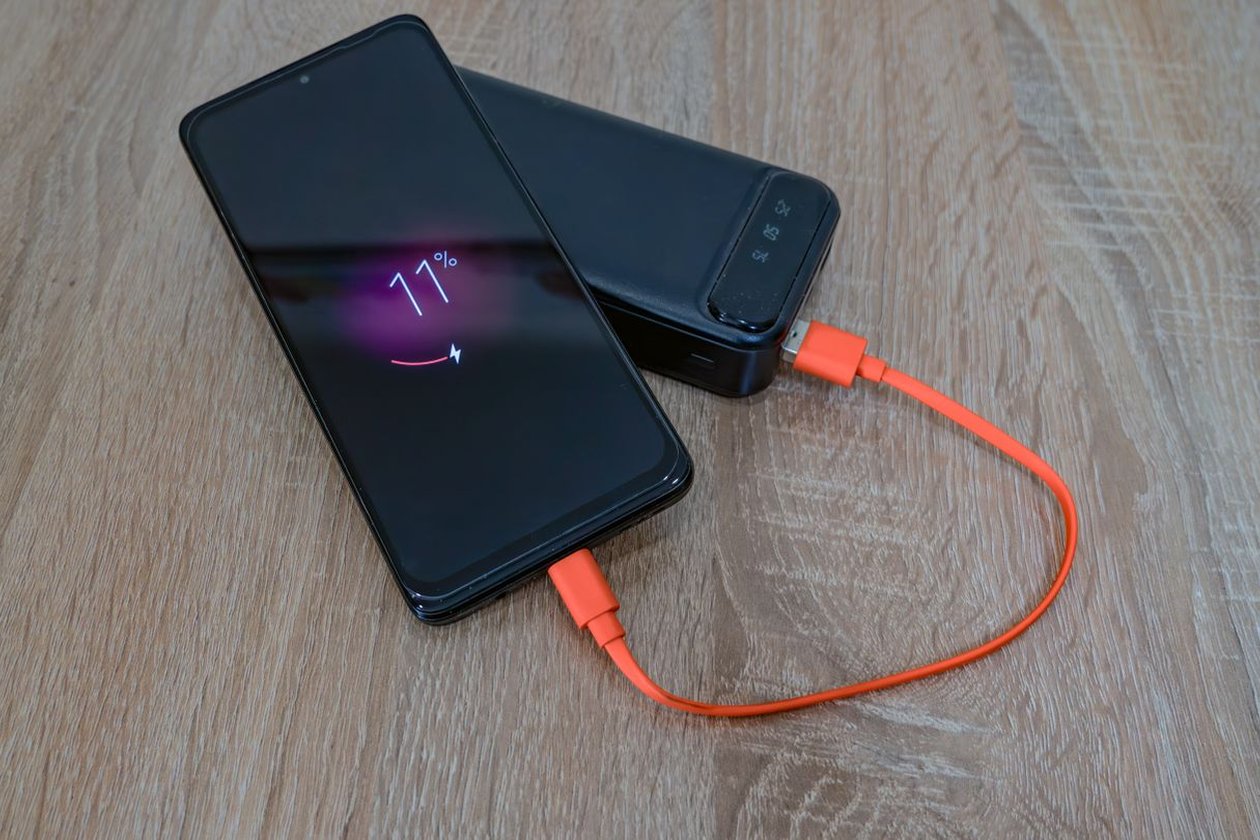
Choose a day when your present phone made you look for an outlet. Write down when it left the charger, when it next had access to one, and which activities filled the gap. A morning train, two hours of calls in a building with weak reception, and walking directions at dusk give you a more useful purchasing brief than a weekly average of screen time.
On iPhone, Settings → Battery shows what used power. Apple distinguishes background activity from time spent looking at an app. It can also identify weak signal and ongoing setup or update activity. If a music app appears near the top after a long journey, check whether it was playing with the display off. That gives you a different workload to reproduce than scrolling through an hour of video. Keep temporary activity such as a fresh setup out of your baseline.
Read one row across two phones
Apple publishes separate figures for video playback and streamed video playback. The standard iPhone 16 is rated for up to 22 hours of playback and up to 18 hours streamed. The standard iPhone 15 lists 20 and 16 hours respectively. Compare the same row across both phones. For a commuter who streams most of the journey, the relevant published gap is two hours under Apple’s streamed playback tests.
The figures below preserve the manufacturer’s wording about the upper limit. Neither pair gives a measured result for navigation, mobile photography or a train journey with intermittent coverage. Keep those parts of your buying decision open until you have evidence for them.
| Apple’s published workload | iPhone 15 | iPhone 16 |
|---|---|---|
| Video playback | Up to 20 hours | Up to 22 hours |
| Video playback, streamed | Up to 16 hours | Up to 18 hours |
Separate what you know from what you need to check
Make a small comparison sheet with a row for each activity that could make or break the day. Record the source and the conditions alongside each number. A video loop with a fixed display setting, an estimate based on mixed activities, and a review that runs mapping over a cellular connection answer different questions. Leave a cell blank when a source gives no relevant result. An empty cell can tell you exactly what to ask the store or look for in a review.
If the phone will live on a handlebar mount in bright daylight, look for evidence about navigation with the display bright enough to read outdoors. If you mostly listen to downloaded audio on a quiet train, background playback matters more. The two buyers might own phones with identical battery capacities and still see very different end-of-day percentages. Battery capacity alone cannot translate either pattern into hours.
Try the deciding task during the return period
If you can trial the handset, first let setup and photo syncing finish. Use your usual settings, SIM and apps. On a representative day, record the starting charge, time away from power, longest continuous task, and charge when you next reach a socket. Repeat once on another ordinary day. For a useful comparison, leave both devices at a brightness you would genuinely use and note any unusual loss of reception.
Decide what reserve the schedule calls for. A driver who depends on a boarding pass or needs directions home has good reason to keep a cushion for a delay. Someone who sits beside a charger most afternoons may reasonably give compact size more weight. Put your decision in one sentence that you can check against the trial, such as “arrives home after the late train with enough charge for the final walk.” That is a result you can recognize without converting a laboratory figure into a promise.